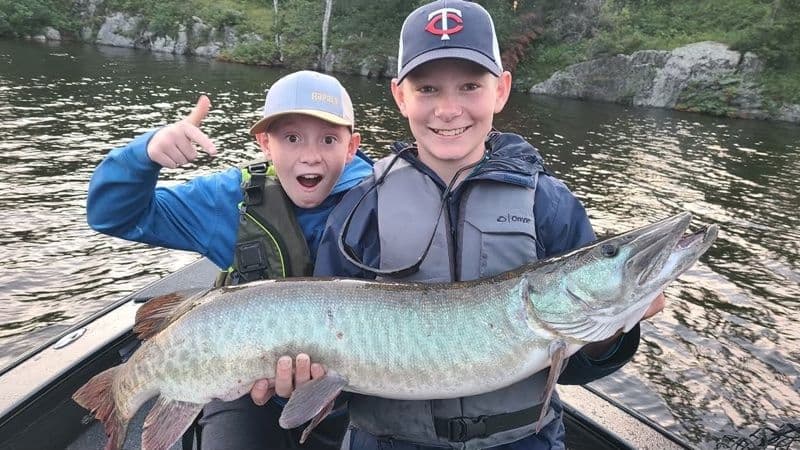
Northern Pike vs Muskie: What you should know


August 30, 2024
Both northern pike and muskie are found in freshwater lakes, rivers, and waterways. For example, in Lake of the Woods you’ll for sure have a few experiences with both species
Once you need to differentiate northern pike vs muskie, there are some vital perspectives to take into account.
For starters, we must know they are two apex predators that frequently share comparable territories in freshwater biological systems. Which captivated anglers with their furious notoriety and exciting encounters. With that in mind, the battle of northern pike vs muskie might appear quite even.
However, these two angle species have unmistakable characteristics that set them separated from each other.
That being said, we will now provide some insight about northern pike vs muskie and their differences. Like that, you will have a solid notion when seeking to target these elusive predators effectively.
Their Physical Characteristics
Northern pike (Esox lucius) and muskellunge, commonly known as muskie (Esox masquinongy), belong to the same genus but have noticeable physical differences.
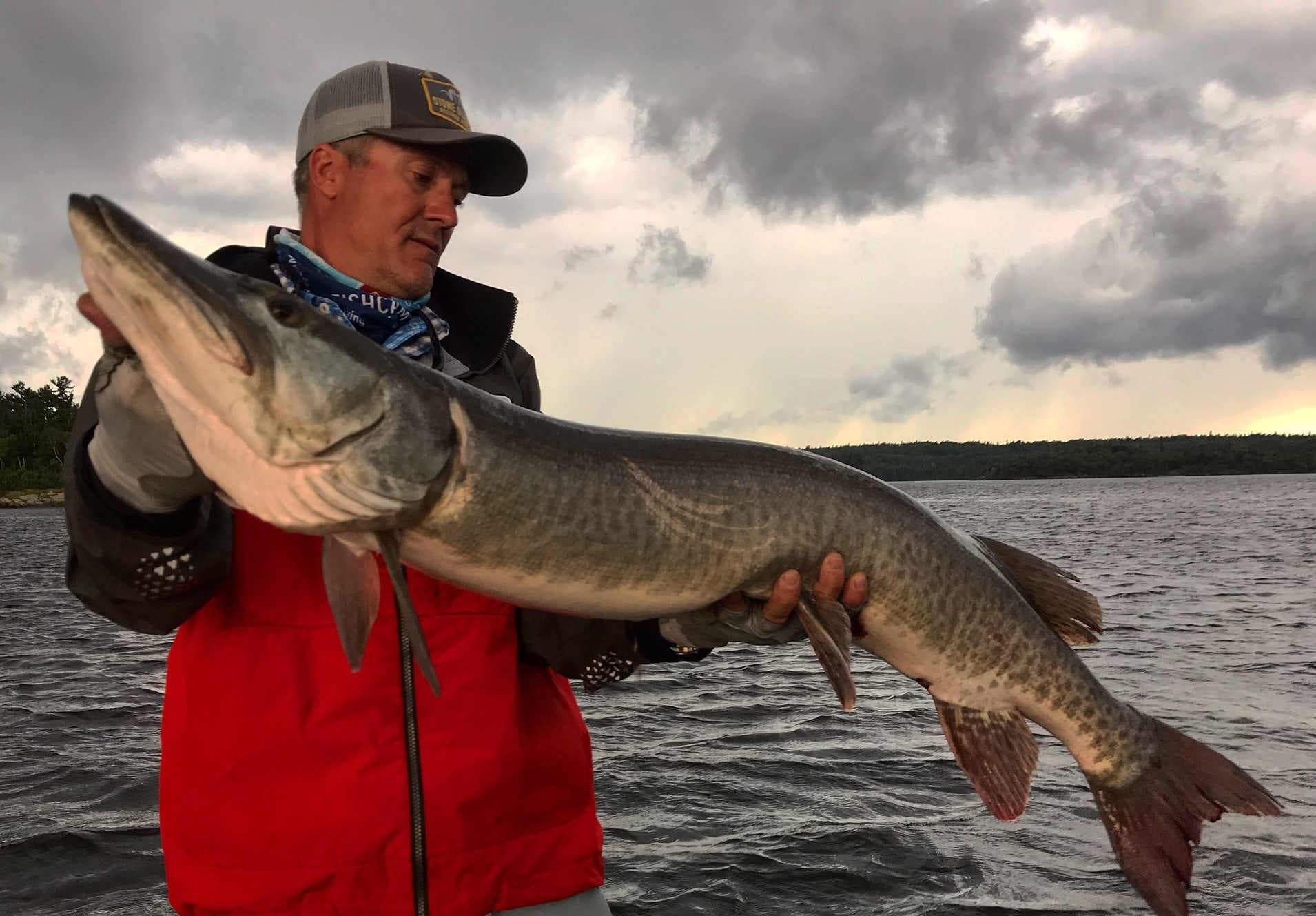
For instance, northern pike regularly have dark green bodies with light spots, elongated bodies, and particular duckbill-shaped snouts. On the other hand, muskies are known for their tiger-like stripes, strong bodies, and more pointed snouts.
When it comes to size, muskie tend to grow up bigger and heavier than northern pike, with a few individuals surpassing 50 inches in length.
Knowing Where to Find Them
Both northern pike and muskie are found in freshwater lakes, rivers, and waterways. For example, in Lake of the Woods you’ll for sure have a few experiences with both species. And this is an important aspect to have in mind when talking about northern pike vs muskie.
In addition to this, northern pike thrive in a variety of habitats, including weedy shallows. Musky on the other hand, prefer deeper waters with ample cover such as submerged logs and rocky structures.
Moreover, muskie are known to inhabit larger bodies of water compared to northern pike, which can be found in both large and small water bodies.
A Carnivore Diet for Both
When it comes to dietary habits about northern pike vs muskie, it is vital to know that both species are insatiable carnivores, preying on fish, frogs, and little warm-blooded animals.
That being said, northern pike are ambush predators, sneaking in vegetation and striking quickly at passing prey. In contrast, muskie are known for their stealth and persistence, often taking after their prey some time before propelling a powerful strike.
Furthermore, both species have sharp teeth and strong jaws, making them impressive hunters in their respective biological systems.
The Best Fishing Techniques
Learning about how to distinguish northern pike vs muskie is crucial to select the best equipment to the strength and deftness of these angles. That way you can enjoy a perfect fishing experience.
Within the first case, for northern pike, fishermen often utilize spoons, spinners, and live bait to lure strikes, particularly in weedy ranges. Nevertheless, muskie anglers tend to utilize bigger draws such as bucktails, jerkbaits, and topwater plugs to pull in these apex predators in more profound waters.
So, when talking about northern pike vs muskie it is imperative to consider the contrasts in their physical characteristics, habitat inclinations, feeding behaviors, and fishing techniques.
Therefore, these aspects are fundamental for anglers looking to target these apex predators successfully.
Now that you already have a strong idea about northern pike vs muskie, you're prepared to recognize both of them when catching them.
Fishing Report
Save time and find our latest news before arriving. Our fishing guides are constantly on the water on top of the fish. Totem Resorts fishing report contains all the main information updated, so you can know first what's going on at Lake of the Woods.
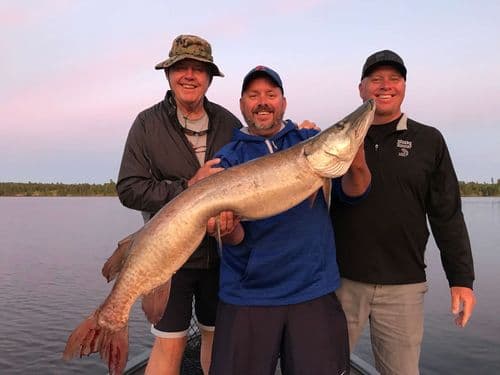
Fishing Packaging
All inclusive fishing packages which include boats, guides, bates, gas for boats, non-alcoholic beverages, lodging (usage of facilities) to enjoy an entire day in the middle of the Lake of the Woods
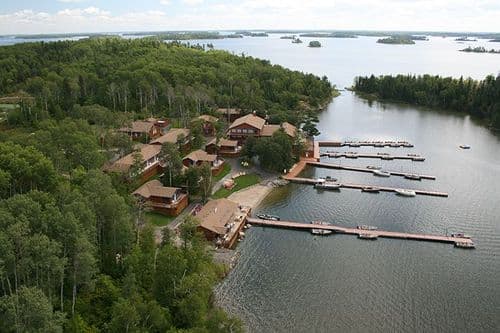
Be our Guest
We've got exactly what you are looking for! Schedule your new adventures or inquire more information.