
How to catch walleye from shore


August 30, 2025
Walleyes fire up in low light at sunrise, sunset, and, if it’s safe, at night. These windows usually raise your odds because walleye feed best under softer light. For that reason, at Lake of the Woods, pay attention to deep cuts and drop-offs into deeper water.
How to catch walleye from shore is a question many anglers ask when they don’t have access to a boat or simply enjoy fishing on foot. The good news is that, with a clear plan, the right gear, and smart water reading, it’s possible to catch consistently from the bank.
On lakes and reservoirs, the best edges are drop-offs falling into deep water, rocky points, and creek inlets and outlets. In rivers, current rules look for deep pools, tight eddies along structure, and seams where the flow splits.
In this article we will show you some practical tips for different scenarios and conditions, so you can adapt your approach on every trip.
When and where to look from shore
Walleyes fire up in low light at sunrise, sunset, and, if it’s safe, at night. These windows usually raise your odds because walleye feed best under softer light. For that reason, at Lake of the Woods, pay attention to deep cuts and drop-offs into deeper water.
Wind is another factor that helps dial in how to catch walleye from shore. On wind‑blown banks and rocky stretches, forage concentrates and turbidity lines form, pushing walleyes shallow.
Lures, bait, and gear that work
To cover water and find active fish in low light, suspending jerkbaits and long‑cast minnowbaits are workhorses.
On the other hand, in cold or clear water, add slim crankbaits. When bottom contact is key, use 1/8–1/4 oz jigs with a grub or swimbait. Alternate cadences pull‑pause‑twitch for minnowbaits and short drags for jigs.
When fish are picky, live bait can help. A good slip-bobber can drift along the drop's edge. A bottom rig with a nightcrawler on clean bottoms can also get the fish to bite.
A versatile, light setup is recommended. Use a 7’-7’6” medium-light, fast-action spinning rod for light casting and long hooksets, pairing 10–15 lb braid for sensitivity and wind-cutting with an 8 -12 lb fluorocarbon leader for stealth.
How to catch walleye from shore: tactics to apply
Explore and read the water: arrive with daylight to identify drop‑offs, rocky points, creek mouths, and wind‑blown banks. Also mark visually where fish will likely travel as evening sets in.
Dial in the activity window: start the last‑light period with minnowbaits (cast‑pause‑twitch) to cover long stretches. At the first catch or follow, shrink your zone and switch to a jig + grub/swimbait worked slowly near the bottom.
Silence, angles, and safety: step softly and avoid casting harsh shadows over clear water. Change casting angles so you don’t burn the spot.
Reservoirs and lakes: play with depth and locate pronounced breaks. Cast parallel to the drop so the lure runs multiple depth bands; if there’s a wind‑driven turbidity line, prioritize that edge.
With all these factors the question of how to catch walleye from shore stops being a mystery and becomes a repeatable strategy. Focus on the best 90 minutes of the day, move with intent, and adjust depth and speed according to the fish’s feedback.
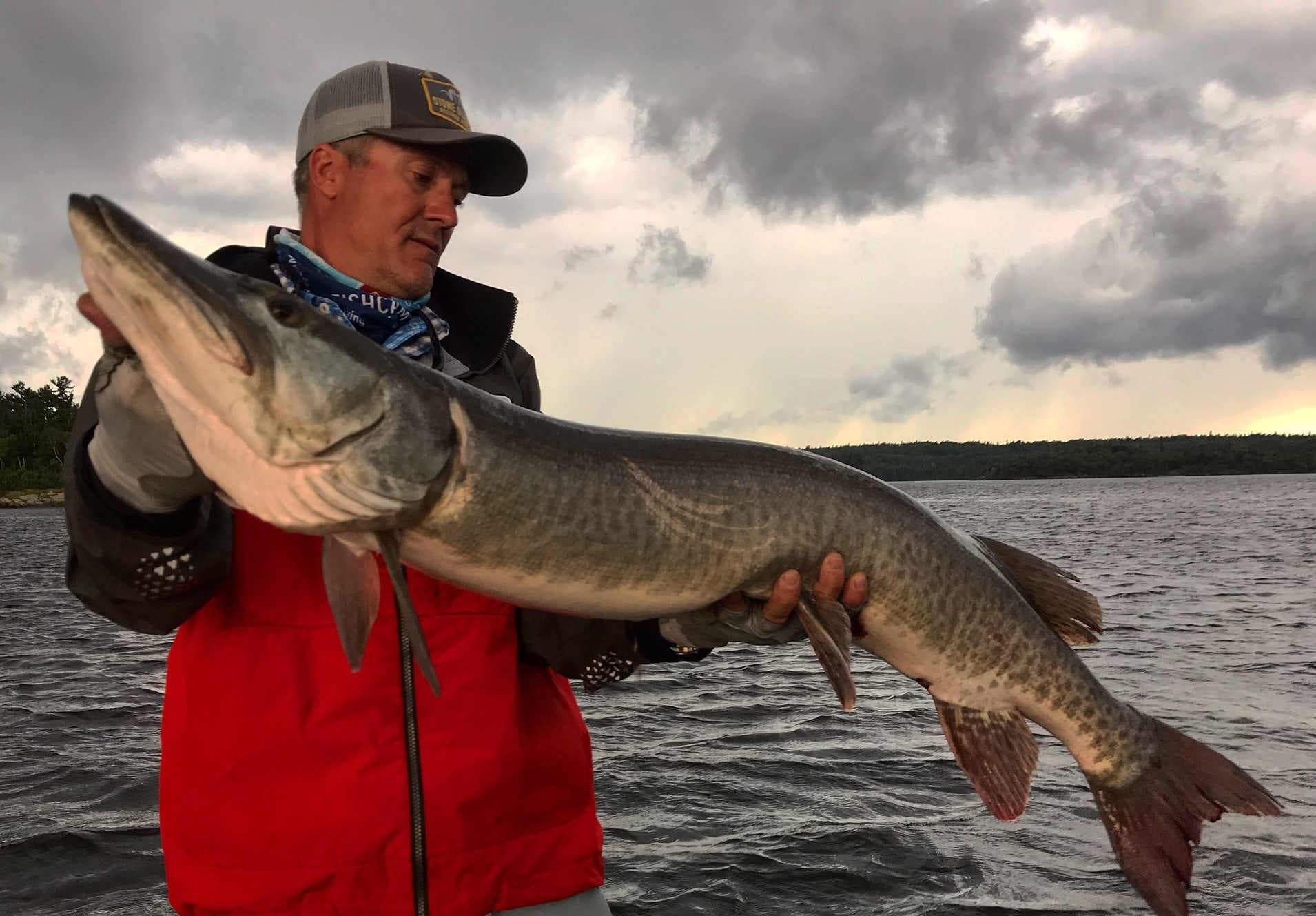
Fishing Report
Save time and find our latest news before arriving. Our fishing guides are constantly on the water on top of the fish. Totem Resorts fishing report contains all the main information updated, so you can know first what's going on at Lake of the Woods.
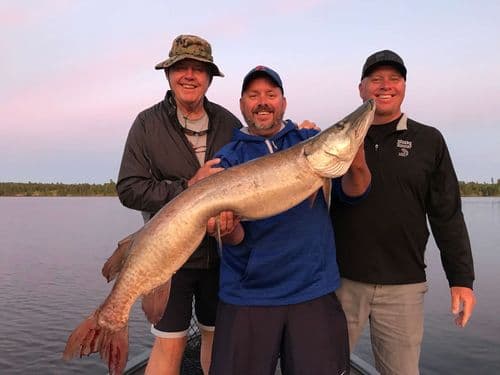
Fishing Packaging
All inclusive fishing packages which include boats, guides, bates, gas for boats, non-alcoholic beverages, lodging (usage of facilities) to enjoy an entire day in the middle of the Lake of the Woods
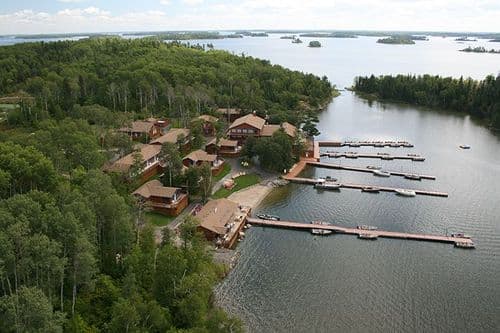
Be our Guest
We've got exactly what you are looking for! Schedule your new adventures or inquire more information.