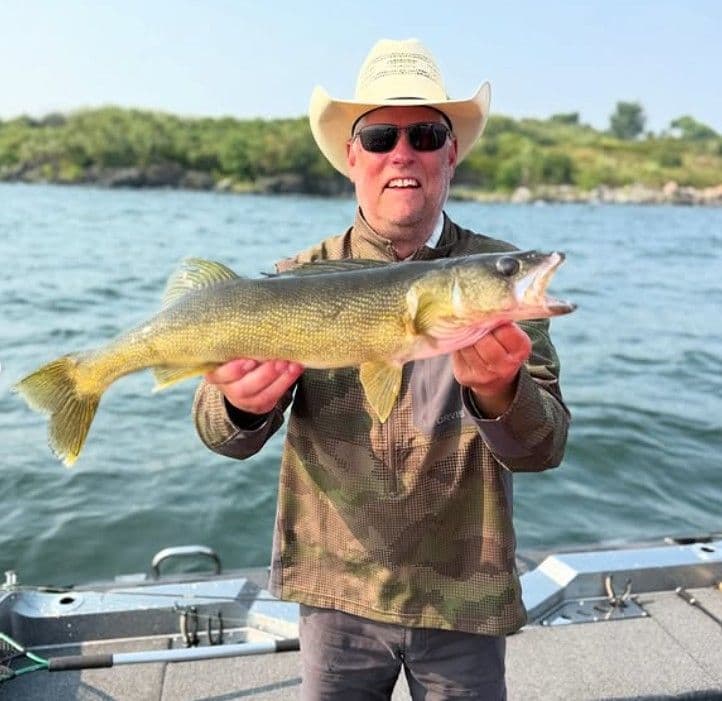
Techniques for Walleye Fishing


October 28, 2025
Jigging is, for sure, the favorite technique of many anglers. In real terms, this technique protrudes in cooler climates or when fish are holding close to the bottom.
There are various techniques for walleye fishing that you can try when going walleye fishing in Lake of the Woods.
For sure, in order to become a good angler, you must understand their behavior, their most frequent habitats, and even what they have in their menu. In addition, you must master at least one of the techniques for walleye fishing. And once that happens, you might end up mastering all of them.
But what are these techniques for walleye fishing? Well, right now we’re answering that question with this guide. Just read and be ready to become an expert walleye angler!
Jigging for great results
Jigging is, for sure, the favorite technique of many anglers. In real terms, this technique protrudes in cooler climates or when fish are holding close to the bottom.
Moreover, anglers can hit right into the strike zone with vertical jigging. This brings success when counting with soft plastic lures or live bait like minnows or nightcrawlers. On top of that, bottom contact and subtle movements to attract bites are fundamental elements of success.
In addition, aggressive jigging with blade baits or jigging spoons can cause reaction strikes in the spring and fall. Since during these seasons walleye are more active, you can have positive results!
Trolling to cover water
Trolling is ideal when you want to locate scattered walleye in large bodies of water. And for Lake of the Woods, that is the case!
For that, you need spinner rigs, crankbaits, or worm harnesses. And they must be put behind planer boards or downriggers to cover different depths and structures. Also, a range of 1.0 to 2.5 mph works well since speed management is also important. But the lure type and water temperature also affect this element.
Now, during summer, using bottom bouncers and spinner rigs tipped with nightcrawlers to troll deep features like humps and drop-offs can guarantee excellent results.
Casting also does the trick!
When walleye are feeding close to shorelines, weed edges, rocky points, or submerged structures, casting is the technique you need!
In fact, anglers have more control in some fishing factors with casting. These include lure speed, depth, and motion when casting than when trolling or vertical jigging.
As a plus this technique works quite well in low light conditions, such as sunrise, dusk, or cloudy days.
Seasons are your allies!
Learning how to fish for walleye isn't enough, because you also need to learn how to modify your technique for each of the four seasons. That’s because seasons can affect walleye behavior. Therefore, it is essential to adjust techniques to the seasons.
For instance, throwing jigs close to rocky coasts or using slip bobbers with live bait can be effective in the spring. However, for summer, deep jigging and trolling hit the spot quite well.
For fall, you can go either for jigging minnows close to drop-offs or trolling crankbaits along weed margins. While for winter, working with jigging spoons or live bait by ice fishing around underwater points and ledges is the best choice.
Now you know the techniques for walleye fishing. With them, you can have good results when going walleye fishing in Lake of the Woods!
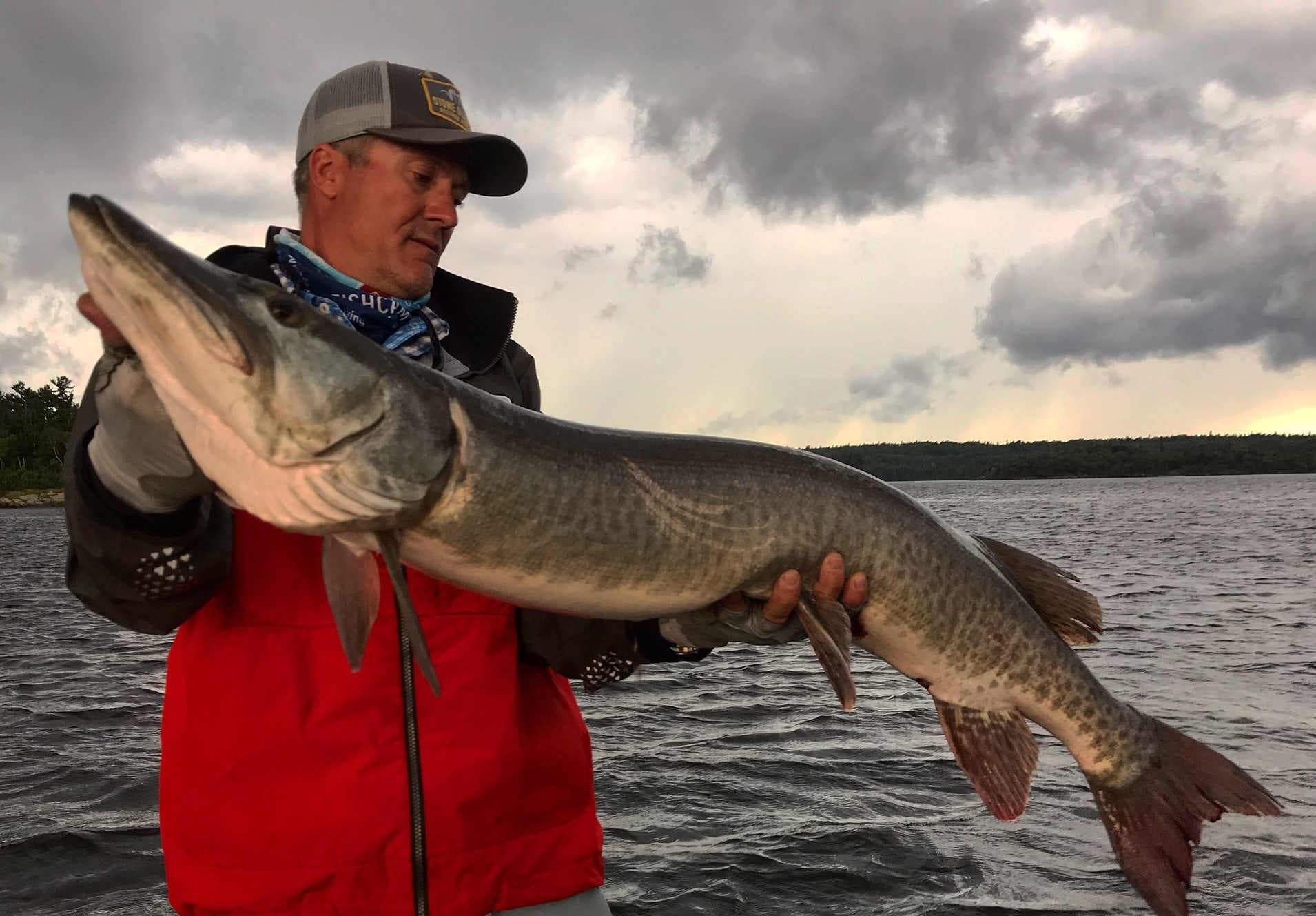
Fishing Report
Save time and find our latest news before arriving. Our fishing guides are constantly on the water on top of the fish. Totem Resorts fishing report contains all the main information updated, so you can know first what's going on at Lake of the Woods.
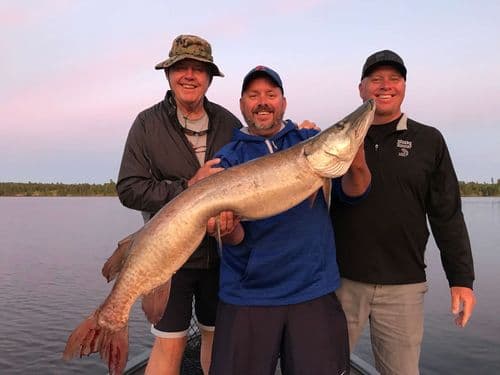
Fishing Packaging
All inclusive fishing packages which include boats, guides, bates, gas for boats, non-alcoholic beverages, lodging (usage of facilities) to enjoy an entire day in the middle of the Lake of the Woods
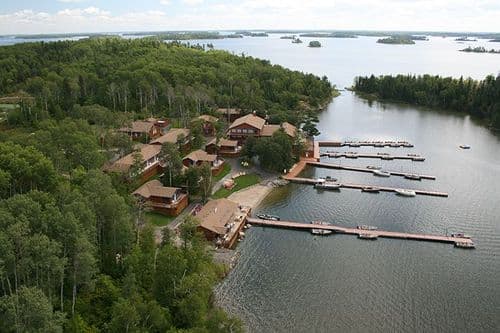
Be our Guest
We've got exactly what you are looking for! Schedule your new adventures or inquire more information.